
Urban, Suburban, or Rural: How to Choose the Best College Campus Setting for You
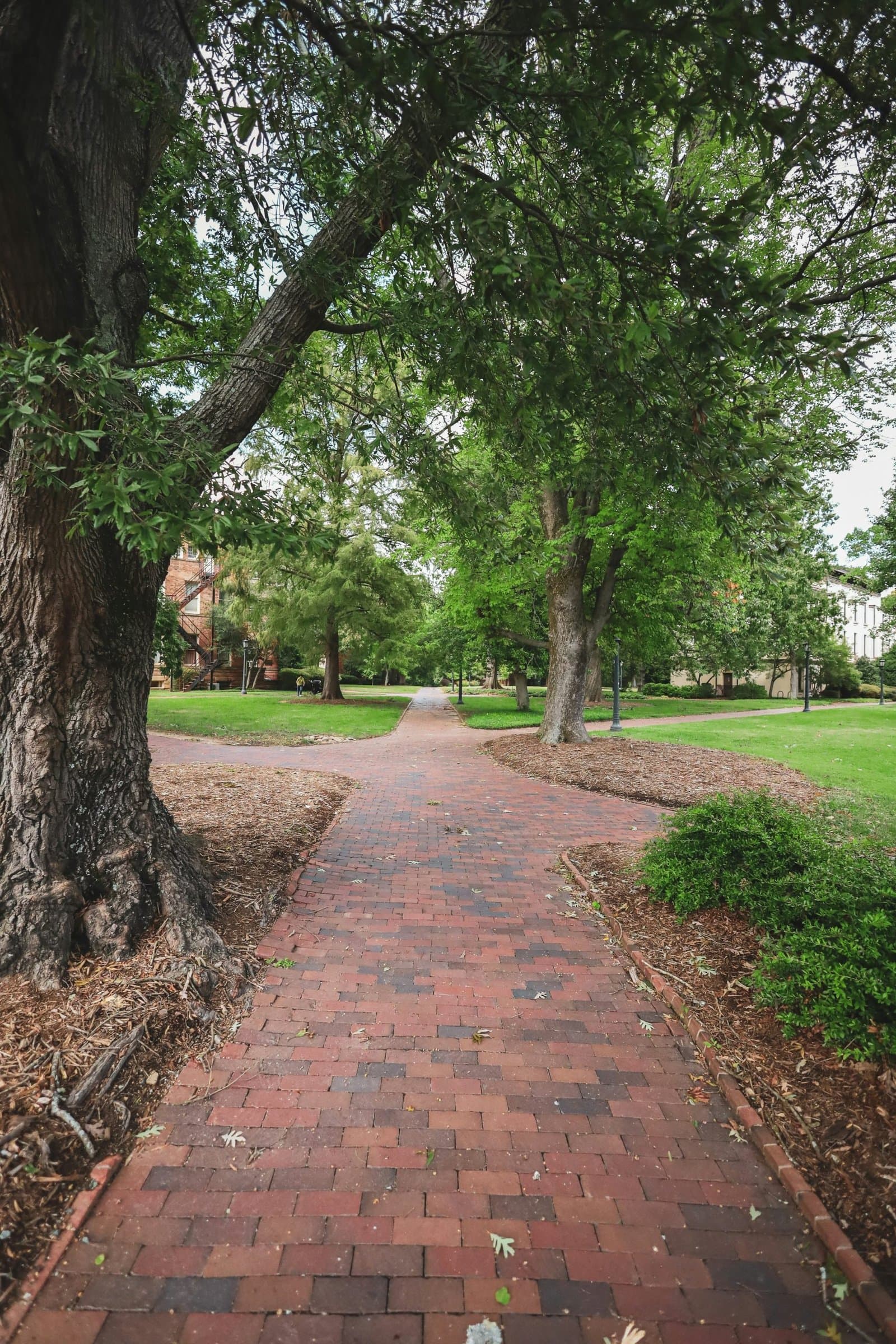
When considering different colleges, many factors play into what might make one school a better fit for you than another. While factors like school size and available majors are indispensable, one of the most overlooked considerations is the college campus setting.
College campuses typically fall into three main categories: urban, suburban, and rural. Each campus setting provides its own distinct and exciting experiences, but not every environment will suit every student. Let’s dive into the pros and cons commonly associated with each type to help you decide which may be the best fit for you.
Urban College Campuses:
Urban campuses are colleges and universities that are located in or near a major city. Some urban colleges may be centrally located in one place, while others will have buildings that are spread throughout the entire city.
Pros of Urban Campuses:
- Off-campus learning experiences such as internships and work opportunities. Urban campuses will sometimes partner with local businesses in the surrounding city, which can contribute to increased job options or other special opportunities for students.
- Cultural experiences and increased diversity provide a more dynamic environment. When attending school in an urban setting, you become a part of both the on and off-campus communities.
- Endless new experiences and activities to try within the city. You’ll never get bored, as you have access to museums, shopping, concerts, and better public transportation to get you from one place to another.
Cons or Urban Campuses:
- More potential distractions can lead to less time and concentration on your academics.
- A weaker sense of community, as students often live throughout the city, leading to less activity in central student areas and a stronger appeal for involvement in off-campus activities.
- Higher cost of living. Most schools within a city may experience a higher cost of living dictated by the city in which they are located. This could impact the cost of food, dorming, the cost of activities, and transportation.
Urban College Examples:
- Boston University: Located in one of the oldest U.S. cities, there are a variety of fun activities for Boston University students within the Boston social scene, such as visiting historic museums and parks or attending the Splash involvement fair that takes place at Nickerson Field. It is rated highly for international students, has over 500 clubs for students to join, and is within walking distance of tons of restaurants and pubs.
- North Carolina State University: Is just west of downtown Raleigh, North Carolina, this bustling city is the hub of culture and tech in the state. This campus is also within walking distance of many nearby attractions like the Gregg Museum of Art and Design.
- San Diego State University: Located in what’s nicknamed the “finest city in America,” SDSU offers its students access to beautiful weather and beaches. SDSU is also widely known for its diversity initiatives as a federally recognized Hispanic-serving institution with amazing study abroad programs.
Suburban College Campuses:
Suburban campuses are like the goldilocks of college campus settings. They offer a balance between the hustle of urban life and the peace of rural settings. Suburban campuses will typically be near a major city, but not within walking distance. They’re usually more residential and will offer a more traditional campus feel than the urban campus.
Pros of Suburban Campus:
- Balance. The perfect balance between rural and urban. You get the best of both worlds: a suburban campus gives you a close enough distance from the opportunities and activities in a city while still being on a college campus.
- The sense of community on suburban campuses is typically strong. Suburban communities are usually self-contained, as opposed to the urban and rural campuses, which could be more spread out.
- Variety in activities. You have immediate access to whatever activities, clubs, and extracurriculars are offered on campus, but the option to venture into the nearest city to explore those entertainment and activity options as well.
Cons of Suburban Campus:
- Limited transportation options and accessibility. They are further away from a city so may encourage students to have cars or pay for transportation to access the nearby attractions.
Suburban College Examples:
- University of Miami: The school is actually located in Coral Gables, FL, just 20 minutes southwest of downtown Miami. Coral Gables is an upscale, residential neighborhood that is close enough to Miami for the students to enjoy all the beaches and restaurants within the city.
- Emory University: It offers the perfect combination of a traditional campus and city life. Located in the Atlanta suburbs, Emory gives their students access to shuttles that will take them to the city, while also being home to a nature preserve where students can hike and enjoy the greenery.
- Claremont McKenna College: This school is beautifully scenic as well, and just 30 miles east of Los Angeles. The city of Claremont is known as the “city of trees and PHDs,” and Claremont is known for the amazing resources and smaller class sizes they have for their students. Claremont McKenna College is also part of the Claremont consortium of private colleges, providing additional networking and campus opportunities for students.
Rural College Campuses:
Last, but not least, the rural campuses. Rural campuses are your most traditional college campuses. They tend to be in remote locations with more nature and wilderness as their surroundings. Given the different climates and settings, rural campuses can vary widely depending on the location. For instance, a rural campus in New York may be colder and drier than a rural campus in Florida which could feel more humid and attract more tropical wildlife.
Pros or Rural Campuses:
- Tight-knit communities on campus, which encourage collaboration, connection, and comfort for students. They can foster stronger relationships with other students and faculty, which can help lead to faculty mentorships and enriched peer guidance.
- Beautiful on-campus scenery. This provides students with more access to outdoor learning opportunities and extracurricular activities.
- Quiet and Safe. Rural campuses are known for having less hustle and bustle than both suburban and urban campuses. They have less traffic, noise, and lower instances of violence on average.
Cons of Rural Campuses:
- Isolated campuses can feel far removed from outside communities. There may be limited on-campus activities that spark your interest, and it is typically more difficult, or will take a significant amount of time, to get to the nearest city.
- Networking challenges. It may be harder for students to gain access to valuable internships and job opportunities that are not located directly on their campus.
Rural College Examples:
- Middlebury College: Located right between the Adirondacks and the Green Mountains, this small liberal arts college has an amazing outdoor setting for students to take advantage of, including access to ski trails, lakes, and the mountains.
- Penn State: Located in University Park, PA, it’s surrounded by farms and nature, which gives students an environment completely free of city-like distractions. Penn State is a top research university, their farm produces homemade ice cream for purchase at the dairy bar, and they often bring entertainment right onto campus for the enjoyment of their large student body.
- Clemson: A public, land-grant school in South Carolina, it’s located on 17,000 acres of land. Also surrounded by mountains, students at this large school are known for their welcoming campus culture. Students here are surrounded by a slow, small-town environment, with the nearest city, Greenville, SC, only 45 minutes away.
Your college of choice will be your home for the next four years, so you want to ensure that the campus setting is one that will allow you to thrive academically, socially, and emotionally. At Premium Prep, we know that finding your perfect campus setting is just one piece of the puzzle when selecting the right college. Sign up for our FREE “5 Days to Your Best College List” guide that includes our customizable College Preferences Sheet and tons of expert advice so you can get the jumpstart you need to find your best overall college fit.